By Kaitlyn King and Alivia Clouse
The dress code became a major controversy at Central and across the country recently according to social media posts and conversations around the school. The staff and students hold many different views on what the rules should be.
The KCS dress code states this as the reason for a dress code, “The following expectations for student dress have been established to promote a safe and optimum learning environment. Apparel or appearance, which tends to draw attention to an individual rather than to a learning situation, must be avoided.”
Many students expressed that they felt the responsibility should be on the person being distracted and not on the person wearing the outfit. Many students use style to express themselves and as a form of self-discovery. When students are dress-coded, it limits their ability to freely express themselves and can make them feel insecure or even uncomfortable. Multiple students expressed that when they are dress-coded, they feel like they are being looked at in a demeaning way.
Central head principal, Dr. Rutig was interviewed about the dress code. She mentions that students should dress in some modesty and in ways that will not distract others. She does acknowledge the imbalance between the boys and girls who get dress-coded but she assures us that the same warnings are given to them. She said on a daily basis at least 20 students are reminded to fix their clothing. She consistently referred back to the Knox Schools Policy on dress code and that she is just enforcing the rules.
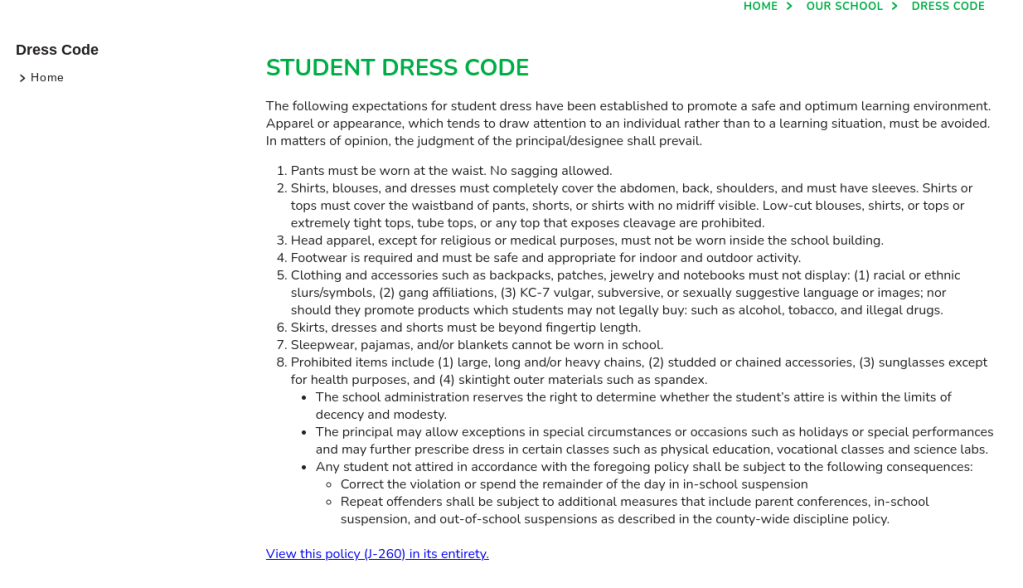
“Shirts, blouses, and dresses must completely cover the abdomen, back, shoulders, and must have sleeves. Shirts or tops must cover the waistband of pants, shorts, or shirts with no midriff visible, skintight outer materials such as spandex.” Many uniforms for the school break this dress code. When asked about this disparity Dr. Rutig states, “That is a school-issued uniform for a particular purpose, so that is something that is adjusted slightly differently. I do know that in student’s opinion that might create a double standard.” She emphasized that if a student were to wear their uniform on a day other than game day, they would also be dress-coded.
Many students believe that schools should not teach students that they need to cover up but instead teach respect to others in order to encourage a safe learning environment. “Low-cut blouses, shirts, or tops or extremely tight tops, tube tops, or any top that exposes cleavage are prohibited. Skirts, dresses, and shorts must be beyond fingertip length. Sleepwear, pajamas, and/or blankets cannot be worn in school.” The dress code prohibits almost all clothing except loose t-shirts and jeans. Students cannot wear tight shirts, tight pants (unless our shirt is long in the back), no crop tops, no tank tops, and no pajamas even if they are in the dress code.
Some people believe that the girl’s body type is what the staff find inappropriate and not the outfits. When asked if they believe if some administrators looked over certain people their answer almost immediately was yes.
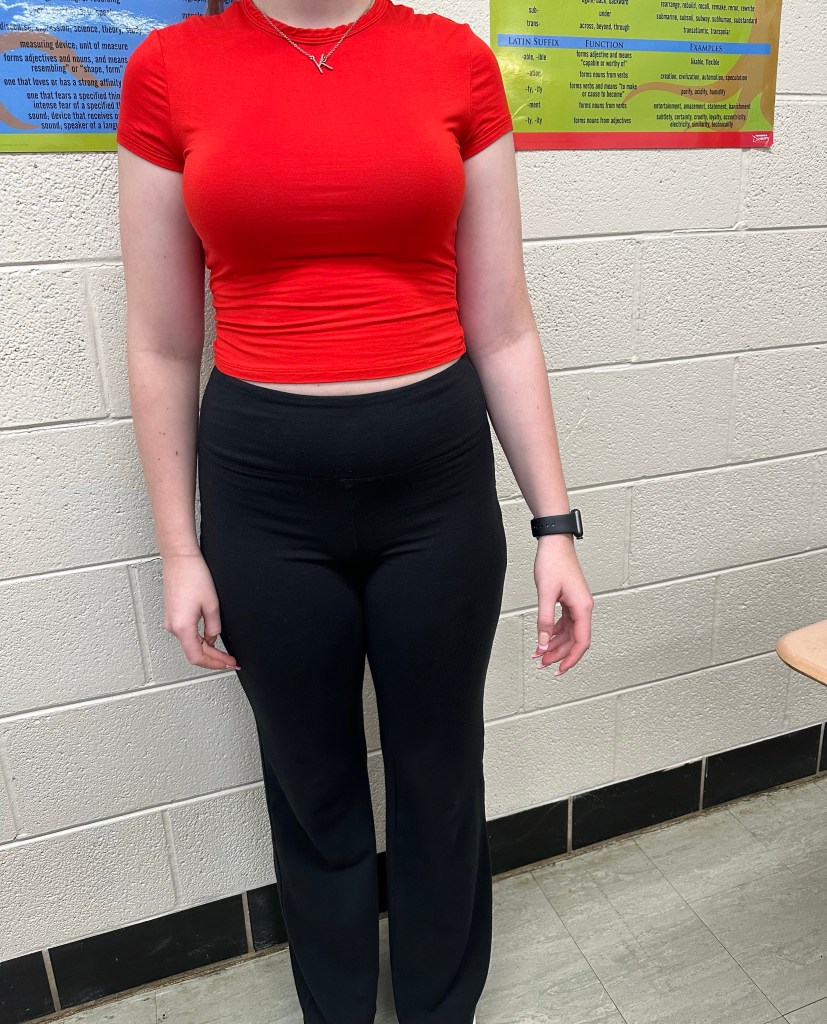
A consensus gathered when interviewing girls at Central says that the authority figures target thicker women and that they ignore what other girls wear because they favor them. A student who chose to remain anonymous said, “If the teacher likes them or is scared of them….” This is still using biased behavior on behalf of the staff. Another student who also chose to remain anonymous said, “ My opinion on dress code is that they love to dress code thicker people but if a skinnier person were to wear the same thing nothing would be said.”
Many students who experience getting dress-coded have noticed that almost no teachers dress-code them, only principals and administrators.
Dress code is a big part of our school life at this age. Many teenagers want to continue this conversation so they can express themselves with adults so they understand their discomfort.
Read more from The Bobcat Times:
 The Bobcat Times